Reviewed Content Confirmed by Clinical Team

This content is created by Misyondent Oral and Dental Health Clinic's team of expert dentists. reviewed by the clinical team and validated. It is based on current clinical literature and applied dental practice.


Misyondent Specialist Dentist Team Aesthetics - Surgery - Implants - Orthodontics
Table of Contents

    Tartar is a common oral health problem that almost everyone can face in their lives. In fact, research shows that in about of adults some amount of calculus is present. Contrary to popular belief, this accumulation of hard plaque is not only an aesthetic discoloration; over time, it can lead to serious problems that can cause inflammation in the gums and even tooth loss in the advanced period. So what is it? Why does tartar form and what should I do to prevent it? In this comprehensive guide, we will discuss the causes of calculus formation and effective ways to prevent it, based on expert opinion.

    What is Tartar?

    Tartar (medical name tartar or calculus), accumulated on tooth surfaces bacterial plaque is a hardened layer of plaque. The sticky layer of plaque that constantly forms on our teeth is made up of food residues, saliva proteins and bacteria. If this plaque is not removed by regular brushing and flossing hardens by combining with minerals in saliva in about 24-48 hours and can no longer be removed with a toothbrush. This hardened deposit is therefore called "calculus".

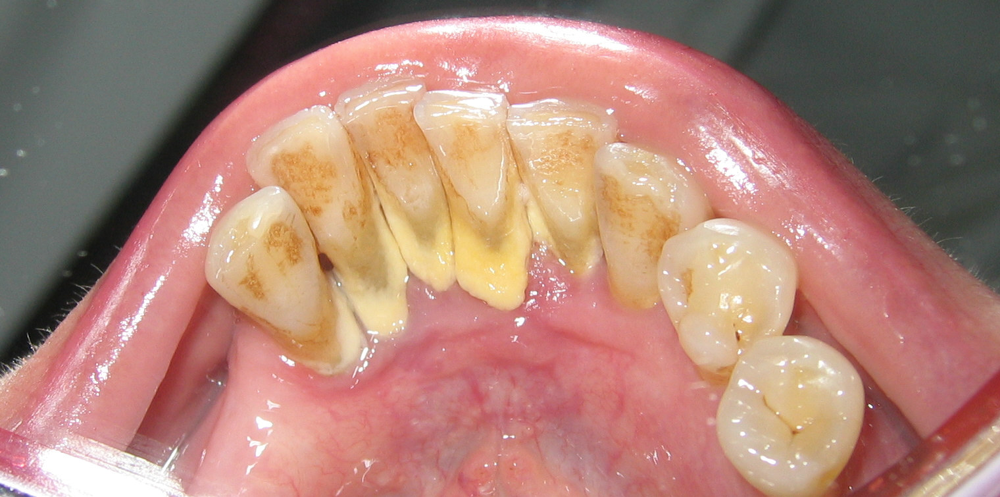
    what a tartar looks like

    An illustration showing the yellow-brown tartar build-up on teeth that have not been adequately cleaned. This hard layer cannot be removed by normal brushing and can only be removed by professional cleaning.

    Tartar usually forms along the gum line and in hard-to-reach areas. They tend to accumulate especially on the back surfaces of the lower front teeth and on the cheek-facing parts of the upper molars. This is because the salivary glands in these areas calcium and phosphate The reason for this is that the plaque hardens more easily here and secretion is rich in minerals such as minerals. Over time, the surface of the calculus layer becomes rough, and these roughnesses provide a fertile ground for new bacteria to take hold. This creates a vicious circle: more tartar, more accumulation of bacterial plaque and more inflammation means. Tartar is therefore not only a stain left on the tooth surface, but is also considered one of the main sources of oral infections.

    Why Does Tartar Form?

    The main cause of calculus formation is the incomplete clearance of plaque accumulation. Plaque occurs naturally in everyone and everyone has the potential to develop tartar if it is not removed. However, certain factors can increase plaque build-up and lead to faster and more intense tartar formation. Below are the main factors that trigger tartar formation:

    • Inadequate Oral Care: Not brushing regularly and with the right technique and not flossing causes plaque accumulation to increase rapidly. When teeth are not brushed twice a day and interdental spaces are not cleaned, the plaque layer on the teeth remains for a long time and hardens into tartar. Keeping the brushing time short or using the wrong technique can also lead to incomplete removal of plaque.
    • Nutrition Habits: Frequent consumption of sugary and starchy foods increases the amount of plaque produced by bacteria in the mouth. Carbohydrates are a source of food for bacteria, so constantly consuming sugary snacks, acidic drinks or white floury foods will lead to more plaque accumulation on the tooth surface. This means that the plaque layer hardens in a short time and contributes to tartar formation.
    • Smoking and Tobacco Use: Smoking and using other tobacco products is another factor that significantly accelerates tartar formation. The chemicals in tobacco products damage the oral tissues and increase the formation of plaque in the mouth. Smokers' saliva flow and oral hygiene are often negatively affected, causing plaque buildup to harden and turn into tartar more quickly. Smoking can also mask gum problems caused by tartar, such as gingivitis, because nicotine reduces bleeding gums. This can cause the problem to go unnoticed until it is advanced.
    • Saliva Composition and Genetic Factors: Every individual has a different saliva composition. Some people's saliva is richer in calcium and minerals, in which case plaque can harden quickly, as if it were being fed "more stuff". Genetic predisposition can also play a role in calculus formation. People with a familial predisposition to gum disease or individuals with a denser saliva composition may accumulate tartar more quickly than others, even if they have the same oral care routine.
    • Dry Mouth and Insufficient Saliva: Saliva is a natural mouth cleaner. Sufficient saliva flow helps to mechanically reduce plaque build-up - almost like a defense system that constantly washes our teeth. However, in people who suffer from dry mouth (for example as a side effect of certain medications or due to a habit of breathing through the mouth all the time), this natural cleaning mechanism is weakened. The lack of saliva facilitates plaque accumulation and accelerates tartar formation. Similarly, not drinking enough water during the day can also reduce saliva production, leading to dry mouth and plaque buildup.

    Although the above factors increase the risk of tartar formation, everyone's experience with tartar can be different. Some people see some tartar build-up even with meticulous oral care, while others may have more fortunate genetic and environmental circumstances. The bottom line, to be aware of risk factors and not to neglect regular oral care.

    What are the harms of tartar?

    When tartar builds up, it is not only visually unpleasant, but also seriously threatens the health of teeth and gums. Dental plaque that is not cleaned every day hardens and turns into tartar and tartar accumulation can lead to gum disease official health authorities. Below you can find the main problems that tartar can cause and the effects of these problems on your dental health:

    • Gingivitis and Periodontitis: The most important harm of tartar is that it irritates the gum tissue and causes inflammation. Tartar build-up puts constant pressure on the gingival margin; the bacteria that accumulate there produce toxins and inflammation of the gums (gingivitis) develops as the body's defense mechanism. Symptoms of gingivitis include redness and swelling of the gums and bleeding when brushing. If this early stage is left untreated, the infection will spread down the gums and into the bone tissue surrounding the teeth. periodontitis a more serious gum disease called periodontitis. With periodontitis, the bone that supports the teeth begins to erode, the gums recede, the teeth become loose and wobbly, and eventually tooth loss can occur. So, if tartar is not removed, in the long run serious consequences up to tooth loss can lead to tooth loss. Therefore, scaling is not only an aesthetic procedure but also a critical measure to prevent tooth loss.
    • Dental Caries and Enamel Damage: A hard layer of tartar covers the tooth surface, making it difficult to remove the bacterial plaque underneath. This plaque layer produces acid over time, weakening tooth enamel and accelerating the formation of caries. Especially when calculus accumulates at the gum line, both the gums and the tooth surface are vulnerable in this area. As a result, the presence of tartar is an invitation to tooth decay. In addition, unless the accumulated tartar itself is removed, the integrity of the enamel structure is also at risk, as there will be a constant acid attack on the tooth enamel.
    • Bad breath (Halitosis): One of the most common causes of bad breath is bacteria accumulating in the mouth. Tartar, with its porous structure, creates a shelter for bacteria. On tartar surfaces that cannot be reached by brushing and flossing, bacteria multiply freely and produce foul-smelling substances such as volatile sulfur compounds. This creates a constant bad breath can lead to bad odor. The bad odor felt in the morning or when teeth are not brushed for a long time can become almost permanent in the presence of tartar. This can also become a problem in social life, damaging self-confidence.
    • Aesthetic and Functional Problems: Dental calculus is visible as yellowish or brown hard deposits on the teeth. Especially when it accumulates on the front teeth, it negatively affects the aesthetics of the smile and the teeth a neglected appearance it takes on a new look. This causes aesthetic concerns in people. Beyond aesthetic problems, heavy tartar deposits that are not cleaned for a long time can also cause distortions in the alignment of the teeth. In advanced cases, the tartar layer can form a hard mass between the teeth, pushing the teeth and changing their position, which can even affect your chewing pattern. Hot-cold sensitivity of the teeth may also increase due to gum recession.

    In summary, the presence of calculus neglectIt poses a serious risk to both your gums and teeth. Taking timely precautions and getting treatment is vital to prevent these damages.

    How to Prevent Tartar?

    Although it is not always possible to completely eliminate tartar formation, with the right habits it is possible to control plaque build-up and greatly slow down tartar formation. Oral and dental health experts emphasize that a good oral care routine and regular dental check-ups are the most effective methods of combating tartar. For example, brushing your teeth twice a day, cleaning between teeth regularly and having professional cleanings at regular intervals are the cornerstones of maintaining gum health. Here are the main steps you can take to prevent tartar formation:

    • Regular and Correct Tooth Brushing: You should clean your teeth at least twicein the morning and before bedtime, at least 2 minutes brush for a while. Using a soft-bristled toothbrush, make sweeping movements from the gum line to the tips of the teeth. Electric toothbrushes can also be effective in removing plaque. Regular brushing is the first step to remove plaque before it hardens.
    • Floss and Interface Cleaners: Clean between teeth once a day using dental floss or interdental brushes. Plaque build-up between teeth where the brush cannot reach can easily turn into tartar. Gently floss below the gum line to remove plaque build-up. Mouth shower (water flosser) can also provide effective cleaning as an alternative to flossing.
    • Antibacterial Mouthwashes: Adding an antibacterial mouthwash to your daily oral care helps to control the growth of bacteria. An alcohol-free, antiseptic mouthwash that you use after brushing and flossing reduces plaque buildup in inaccessible areas and reduces the risk of tartar formation. However, keep in mind that mouthwash is not a substitute for brushing; it should be used as a supplement.
    • Reducing Sugar and Starch Consumption: Try not to include too many sugary and sticky foods in your diet. Sugar and carbohydrates create a favorable environment for oral bacteria to multiply, which increases the amount of plaque. If possible, brush your teeth or rinse your mouth with water after consuming sweet foods. Also, avoid frequent consumption of acidic drinks (such as soda, fruit juice); these drinks both trigger plaque formation and weaken tooth enamel.
    • Adequate Water Consumption: Drinking plenty of water throughout the day prevents dry mouth and promotes saliva flow. Water helps to wash away food particles left in the mouth after meals and enhances the natural cleansing effect of saliva. Drinking water, especially between meals, is beneficial for both your general health and your oral health.
    • Abstinence from Tobacco Products: Smoking and using other tobacco products is one of the most harmful habits you can do for your dental health. Quitting tobacco dramatically improves not only your overall health, but also your oral and dental health. Gum circulation returns to normal, oral hygiene becomes easier and the rate of tartar formation decreases. Remember, by not smoking, you significantly reduce your risk of tartar formation and gum disease.
    • Regular dental check-ups and cleanings: No matter how well you care for yourself, professional monitoring and cleaning is essential. Every 6 months Make a habit of going to the dentist. The dentist can remove tartar deposits in areas you cannot reach. detartraj using special tools in a process called scaling. Regular check-ups not only remove existing calculus, but also detect early onset gum problems and prevent them from progressing. If you have a high susceptibility to tartar formation, your doctor may recommend the frequency of check-ups to be every 3-4 months.

    When you incorporate the above steps into your life, you can control calculus formation to a great extent. Completely prevent tartar formation Block 0 While it may not be possible, these habits can help keep your gums healthy and prevent tartar buildup. you'll have to drastically reduce possible. The important thing is to ensure continuity and regularity. When you make oral care a routine, you will have cleaner teeth and be protected from tartar-related problems.

    Customized Solutions to Your Tartar Problem at Misyondent

    Each individual's oral structure and dental health is unique. Some of us may be more prone to calculus due to our genetic structure or saliva characteristics, while others can keep it to a minimum with proper care. Misyondent Oral and Dental Health Clinic we are committed to tailoring each patient's needs personalized we act with the understanding of offering solutions.

    First of all, when you apply to our clinic, your dental and gum health will undergo a comprehensive examination. The location and amount of calculus build-up and its effect on your gums are evaluated in detail. After that, our specialized dentists creates the most suitable treatment plan for you. At Misyondent, scaling (detartraj) is a modern ultrasonic devices using ultrasonic cleaners. Ultrasonic cleaners gently remove tartar from the tooth surface using high-frequency vibrations and a water spray. This ensures minimal discomfort during the procedure; for most patients, detachment painless is an experience. After the procedure, tooth surfaces are polished and smoothed, which makes it harder for new plaque to build up and helps to keep your teeth cleaner for longer.

    As the Misyondent team, our aim is not only to clean your existing tartar, but also to prevent future tartar formation. For this reason, after treatment personalized oral care recommendations for our patients we offer. For example, we show you where your brushing technique can be improved and advise you on flossing or oral care products. If your dietary habits are affecting your dental health (such as excessive coffee, tea consumption or smoking), we provide information on these issues. We aim to create a care plan for each patient, tailored to their lifestyle and needs.

    Also, we determine your regular control periods according to your personal risk situation. If you are a patient who is very prone to tartar formation, we may recommend cleaning and check-ups at intervals of 3-4 months. If you are a patient who performs oral care very well and has fewer problems, one check-up per year may be sufficient. This planning is completely customized to your oral and dental structure. At Misyondent, we record your dental and gum health at each visit, make comparisons for your next visit, and keep the situation under control with preventive applications when necessary.

    In a nutshell At Misyondent, your smile is our mission. We are at your side for all your oral and dental health problems, including calculus, with our specialized and experienced physicians, advanced technology devices and personalized treatment approaches. We not only treat existing problems, but also provide preventive applications and regular follow-ups. long-term oral health to provide you with the best dental care. If you are concerned about tartar formation or want to keep your gum health under control, you can contact our clinic and benefit from our customized solutions. Remember, a healthy, tartar-free smile is possible with professional support and regular care!

    Health Factsheet

    This content, Misyondent Oral and Dental Health Clinic specialized dentists in line with current clinical literature and professional experience. It is intended for general information purposes only and does not constitute medical advice. For individual assessment appointment with our specialist physicians is recommended.

    Was this content useful?Your feedback helps us improve our content.

    🙏

    Thanks for your feedback!

    Would you like to get expert support on the subject?

    Share your feedback with us

    What would you like to know more about? Your feedback helps us improve our content.

    Thank you, WhatsApp is opening!

    Your message has been prepared. Confirm on WhatsApp to send.

    Misyondent Oral and Dental Health Clinic - Your feedback is valuable for content quality
    Our location
    Bahcelievler / Istanbul

    Misyondent Dental Clinic

    Bahçelievler Mah. Colonel Ibrahim Karaoglanoglu Sok. No:20B, Bahçelievler / Istanbul


    Nearby Districts Make an Appointment

    Hft-Cum: 09:00-18:00 - Sat-Mon: Closed

    5.0 (44)
    Dt. Deniz Caliskan - Aesthetic Dentist, Misyondent

    Dt. Deniz Caliskan

    Aesthetic Dentist - Misyondent

    Expert author
    10+ Years of experience
    300+ Happy patient
    5.0 Google score

    Born in 1987, Dt. Deniz Çalışkan completed her dental education at Sofia University. Specializing in aesthetic dentistry, Çalışkan offers customized solutions for each patient in zirconium veneers, smile design and minimally invasive treatments.