Reviewed Content Confirmed by Clinical Team

This content is created by Misyondent Oral and Dental Health Clinic's team of expert dentists. reviewed by the clinical team and validated. It is based on current clinical literature and applied dental practice.


Misyondent Specialist Dentist Team Aesthetics - Surgery - Implants - Orthodontics
Table of Contents

    As one of the most dynamic and densely populated districts of Istanbul, Bahçelievler offers its residents numerous healthcare options. Bahcelievler dental clinics While this abundance of options may seem like an advantage, it can also turn into a complex process that makes it difficult to make the right decision. Oral and dental health is an integral part of overall body health. Therefore, choosing a dental clinic should not be a superficial decision based solely on geographical proximity or price offer.

    This choice is a critical investment that will directly impact your long-term health, aesthetic expectations and quality of life. So what makes a clinic "excellent" and "reliable" rather than "adequate"? There are professional criteria that patients often overlook due to lack of technical knowledge, but which fundamentally determine the success and safety of treatment.

    This guide has been prepared to make individuals who are looking for a dental clinic in Bahçelievler an informed "health consumer". The aim is to reveal which questions should be asked when evaluating the quality of a clinic, which standards modern dentistry requires, and which professional details you should pay attention to when deciding who to entrust your health to.

    Clinical Specialization and Scope of Service: The Importance of Holistic Treatment Approach

    Modern dentistry has evolved from a structure where one physician undertakes all treatments alone to a multidisciplinary structure where different specialties work together. The scope of services offered by a clinic indicates both its capacity to solve complex cases and the holistic health vision it offers to the patient.

    Is "Every Dentist" the Same? Understanding Specialties

    A common misconception among patients is that all dentists have the same level of expertise and can perform every treatment. However, dentistry, like medicine, is divided into many sub-branches:

    • Endodontics It is a specialty that deals with the internal structure of the tooth, such as root canal treatment.
    • Orthodontics Corrects tooth and jaw misalignments with braces or clear aligners.
    • Pedodontics It is a specialized field that deals with the dental health and treatment of children aged 0-15 years.
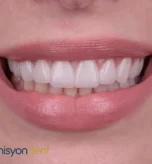
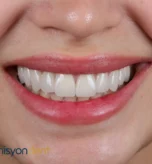
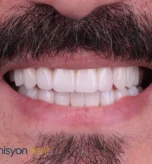
    • Prosthodontics and Aesthetic Dentistry: It covers restorative and aesthetic applications such as zirconium veneers, laminate veneers and smile design.

    Having these different specialties within a clinic is more than a simple list of services. A clinic can have both Pedodontics (pediatric dentistry) and advanced Smile Design or implantology services demonstrates that the clinic has a vision of being a "family" and "lifelong" health partner. It is critical for treatment integrity that patients do not have to go to one clinic for their children's baby teeth treatment and another for their own implant needs. The ability of different specialists to consult under the same roof (for example, orthodontist and prosthodontist working together in a smile design case) directly increases the chances of success and quality of treatment.

    Evidence-Based Dentistry

    One of the most important factors that distinguishes a professional clinic is its adoption of the principle of "Evidence-Based Dentistry" as defined by authorities such as the American Dental Association (ADA). This approach requires treatment decisions to rest on three pillars: 

    • The most up-to-date and clinically valid scientific evidence.
    • Clinical expertise and experience of the physician.
    • The patient's medical condition, needs and preferences.

    This principle explains why the clinic does not offer a standardized treatment (e.g. "zirconium crowns for everyone") to every patient. A qualified physician will explain to his patient why E-Max and not Zirconium or, perhaps before both, explain with scientific justification why Laminate Veneer, a more conservative treatment, is more appropriate. Patients have the right to ask: "Why are you recommending this treatment in my case and what are the alternatives?" The clarity of the answer and the logic on which it is based will reveal the professional philosophy of the clinic.

    Modern Diagnostic and Treatment Technologies: Precision, Safety and Comfort

    Technology in dentistry is not a marketing tool or a luxury add-on; it is the cornerstone of diagnostic accuracy, treatment precision and patient comfort. A clinic that claims "high-tech treatment methods" must support this claim with concrete devices.

    Seeing is Believing 3D Imaging and Digital Diagnostics

    Traditional two-dimensional (2D) panoramic x-rays give the dentist an overview but hide many critical details. Especially when it comes to implant treatment, extraction of impacted wisdom teeth or complicated root canal treatments, 2D imaging is insufficient.

    3D Imaging, or Cone Beam Computed Tomography (CBCT), is a revolutionary tool that has become the standard in modern dentistry. CBCT allows the dentist to examine the jawbone, nerve passages, sinus cavities and the position of tooth roots in three dimensions and millimeters.

    This is what this technology means for the patient:

    • Security: Especially in implant surgery, it minimizes the risk of complications by allowing the physician to avoid sensitive anatomical structures such as nerve canals.
    • Sensitivity: Seeing the exact density and volume of the bone allows the implant to be placed at the right angle and size.
    • Less Invasive Surgery: Clear planning means smaller surgical incisions and faster recovery times.
    • Low Radiation: Modern dental tomographs use much lower doses of radiation than medical tomographs.

    CAD/CAM Systems and Digital Restorations

    The second step of technology is the transition from diagnosis to treatment. CAD/CAM (Computer Aided Design / Computer Aided Manufacturing) systems have completely changed the restoration processes in dentistry.

    The first step of this system is "intraoral scanners". The traditional method of taking impressions with a spoon and paste, which patients complain about the most and which causes nausea, has been replaced by a high-resolution camera that creates a digital model of the teeth in seconds. This step alone is a tremendous improvement in patient comfort.

    CAD/CAM technology allows highly durable and aesthetic materials, such as Zirconium or E-Max, to be digitally designed and manufactured on specialized devices (milling) in the clinic. This can shorten treatment times; in some cases, patients can receive their new teeth in a single appointment. This is exactly the technological equivalent of the "precise, comfortable and effective" treatment that Misyondent emphasizes.

    Digital Planning in Smile Design

    Smile design is no longer a process that depends only on the artistic talent of the physician. Modern clinics use special software to simulate how the patient's smile will look when the treatment is finished, based on existing mouth and face photos. The fact that the patient sees the potential outcome before any intervention is performed on their teeth ensures that expectations are managed correctly and confidence in the treatment increases. This technological planning is one of the most important steps in achieving the goal of "Happy Customer".

    Cornerstone of Safety: Sterilization and Infection Control Protocols

    No matter how well equipped a dental clinic is, if basic hygiene and sterilization protocols are missing, it is a serious source of risk for patients. Clinic cleanliness is not just a matter of "looking clean", but of an auditable and perfectly functioning system based on international standards.

    Why are International Standards Important?

    Organizations such as the World Federation of Dentists (FDI) and the International Organization for Standardization (ISO) set evidence-based guidelines for infection control in dentistry. Professional clinics follow these global standards. These standards aim to protect not only patients, but also the clinical team. A clinic that invests in the safety of its own team (use of appropriate masks, visors, gloves) and work ergonomics has an overall safety culture.

    Patients can make simple observations when they enter the clinic: Do the physician and assistant discard and replace gloves, masks and other protective equipment at each patient change? Are treatment areas disinfected?

    Sterilization Process: "Dirty, Clean and Sterile" Area Separation

    It is in the "back room", often invisible to patients, where true professionalism is hidden: The Central Sterilization Unit (CSU). As stated in Turkish standards, an ideal sterilization unit consists of clearly physically separated areas:

    • Red (Dirty) Area: This is the first area where used, contaminated (dirty) instruments are collected. Here, the instruments are first cleaned and disinfected by vibration in ultrasonic devices.
    • Blue (Packaging) Area: This is the area where cleaned instruments from the dirty area are inspected, dried and packed in special bags for autoclaving (sterilization with pressurized steam).
    • Green (Sterile) Area: This is the area where the autoclaved, completely sterilized packaged instruments are stored until first use.

    This field separation ensures that a dirty instrument never comes into contact with a sterile instrument. When evaluating a clinic in Bahçelievler, do not hesitate to ask: "How does your sterilization process work? Where are the instruments cleaned and how are they packaged?" Clinics that cannot provide a procedural and transparent answer to this question, as above, should be questioned.

    Dental Unit (Chair) Hygiene

    The chair (dental unit) where the patient is treated is one of the key points of infection control. Modern units should have seamless surfaces that are easy to clean. Importantly, many advanced units have systems that automatically disinfect their internal waterways.

    Patient Experience, Communication and Transparency Principle

    Even a clinic with the most advanced technology or the most perfect sterilization system can fail if it cannot establish the right communication with its patient. Dentistry is a relationship that requires a high level of trust. Making the patient feel safe, listened to and informed is as important to the psychological success of the treatment as its medical success.

    The Listening and Explaining Physician Approach

    The American Dental Association (ADA) defines the ideal doctor-patient relationship as a "partnership". A good dentist focuses on the whole patient, not just the mouth. He or she actively listens to the patient's past dental experiences, fears and concerns.

    Explains the treatment plan in a language that the patient can understand, without using technical jargon, using visual aids such as intraoral camera images or 3D models if necessary. Encourages the patient to ask questions. This approach ensures that the patient is involved in the treatment process as an active participant, not as a passive recipient. It is precisely through this trust-based, two-way communication that Misyondent's "Happy Customer" principle can be realized.

    Transparent Pricing and Treatment Planning

    One of the biggest concerns of patients in oral and dental health services is the "surprise costs" they will face at the end of treatment. A clinic that claims professionalism should also offer full transparency in its financial processes.

    The principle of "Transparent Pricing" requires that the patient is provided with a detailed plan before starting treatment. In this plan, the cost of each procedure, possible additional requirements and the total fee should be clearly stated. The patient's full understanding of what they will be paying for ensures a trusting relationship with the physician, not financial tension.

    Realistic Expectations and Informed Consent

    In dentistry, slogans such as "lifetime guarantee" and "sure success" are often unprofessional marketing language. There cannot be a 0 guarantee in medical procedures. As the Turkish Dental Association (TDB) points out, even the most successful implant may not be compatible with bone for biological reasons, or the best prosthesis may need adaptation over time.

    True "Professional Treatment" means being honest with the patient. The physician must honestly explain the possible risks, success rates and alternatives of the treatment. It is both a legal and ethical obligation for the patient to give "Informed Consent", that is, to accept the treatment after understanding all this information. A clinic that is honest with its patients is much more reliable than a clinic that makes false promises.

    Frequently Asked Questions

    Why is it important for me to have 3D Tomography or Digital Measurement?

    Modern diagnostic technologies directly affect the success, safety and comfort of your treatment. Unlike traditional 2D X-rays, 3D dental tomography (CBCT) allows your dentist to see your bone density, the location of your nerve canals and other anatomical structures with millimeter precision. This minimizes risks, especially in delicate procedures such as implant surgery. Digital impressions (intraoral scanners), on the other hand, create a digital model of your mouth in seconds instead of the nauseating traditional impression pastes, providing a more comfortable experience and ensuring that your prosthesis (crown, etc.) is much more precise and compatible.

    Can Every Dentist Do the Dental Treatment I Need?

    Dentistry, like medicine, is divided into many specialties. While routine procedures such as simple fillings or scaling are successfully performed by general dentists, some treatments require specific expertise. For example, an "Endodontist" is the right address for a complicated root canal treatment and an "Orthodontist" for braces treatment. Similarly, a comprehensive "Smile Design" is a multidisciplinary approach that requires the collaboration of prosthodontists and sometimes gum specialists (Periodontologists) who have special training and experience in aesthetic dentistry.

    What Should I Expect When Getting a Treatment Plan and Price Quote from a Clinic?

    A professional and transparent clinic should always provide you with a detailed plan before starting treatment. This plan should include not only the total cost, but also a written explanation of which procedures need to be done and why, possible alternative treatments and a breakdown of the cost of each item. Understanding the advantages and potential risks of the treatment options offered to you is the basis for giving "informed consent". You should rely on clear treatment plans after a comprehensive diagnosis, not just "estimated" prices given over the phone or during a superficial examination.

    Make an Informed Decision for Your Health in Bahçelievler

    Choosing a dental clinic in Bahçelievler, as we have seen, requires a much more complex and in-depth evaluation than simply choosing a location from a map. This decision should include the clinic's multidisciplinary structure that brings together different specialties, the presence of technologies such as 3D and CAD/CAM used in diagnosis and treatment, the invisible but vital Central Sterilization Unit protocols, and the transparent, honest and trust-based communication with the patient.

    Your oral and dental health is a reflection and foundation of your overall body health. For this reason, you should consider your search for a clinic in Bahçelievler not as a cost item, but as one of the most important investments you will make in your long-term health. Conscious patients will make the right decision by choosing clinics that meet these professional criteria and combine modern technology with patient comfort and trust.

    Health Factsheet

    This content, Misyondent Oral and Dental Health Clinic specialized dentists in line with current clinical literature and professional experience. It is intended for general information purposes only and does not constitute medical advice. For individual assessment appointment with our specialist physicians is recommended.

    Was this content useful?Your feedback helps us improve our content.

    🙏

    Thanks for your feedback!

    Would you like to get expert support on the subject?

    Share your feedback with us

    What would you like to know more about? Your feedback helps us improve our content.

    Thank you, WhatsApp is opening!

    Your message has been prepared. Confirm on WhatsApp to send.
    Misyondent Oral and Dental Health Clinic - Your feedback is valuable for content quality
    Our location
    Bahcelievler / Istanbul

    Misyondent Dental Clinic

    Bahçelievler Mah. Colonel Ibrahim Karaoglanoglu Sok. No:20B, Bahçelievler / Istanbul


    Nearby Districts Make an Appointment

    Hft-Cum: 09:00-18:00 - Sat-Mon: Closed

    5.0 (44)
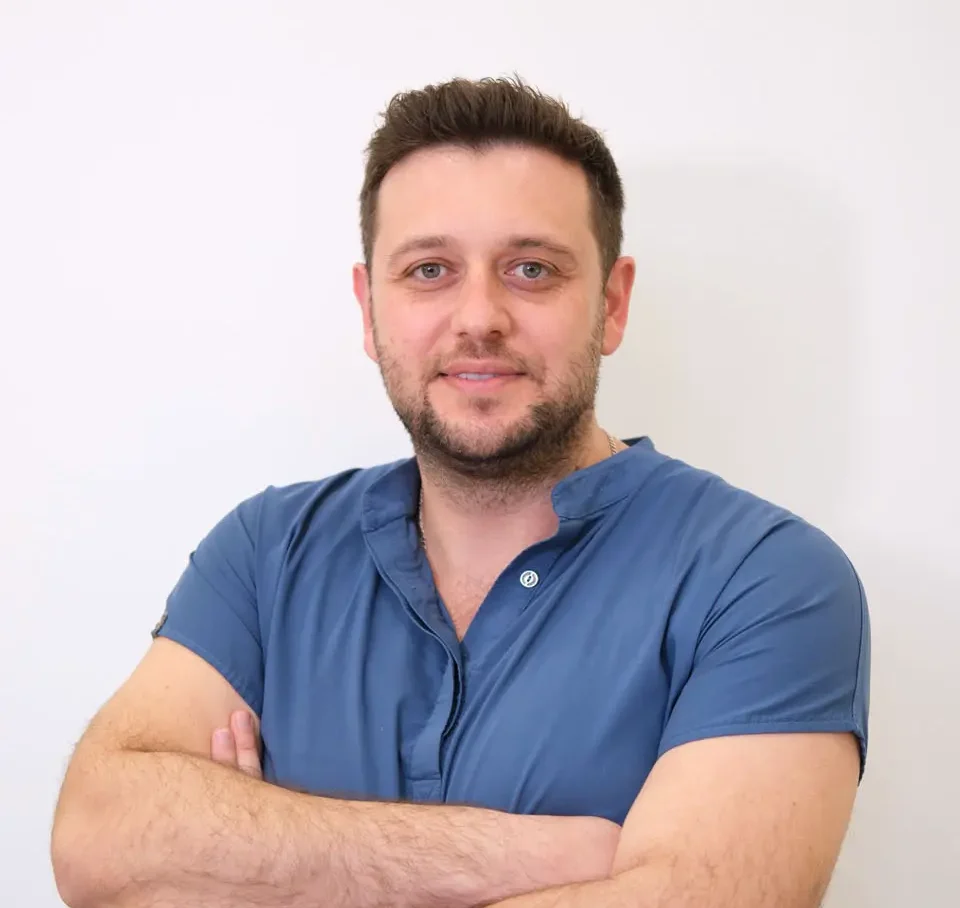
    Dt. Deniz Caliskan - Aesthetic Dentist, Misyondent

    Dt. Deniz Caliskan

    Aesthetic Dentist - Misyondent

    Expert author
    10+ Years of experience
    300+ Happy patient
    5.0 Google score

    Born in 1987, Dt. Deniz Çalışkan completed her dental education at Sofia University. Specializing in aesthetic dentistry, Çalışkan offers customized solutions for each patient in zirconium veneers, smile design and minimally invasive treatments.